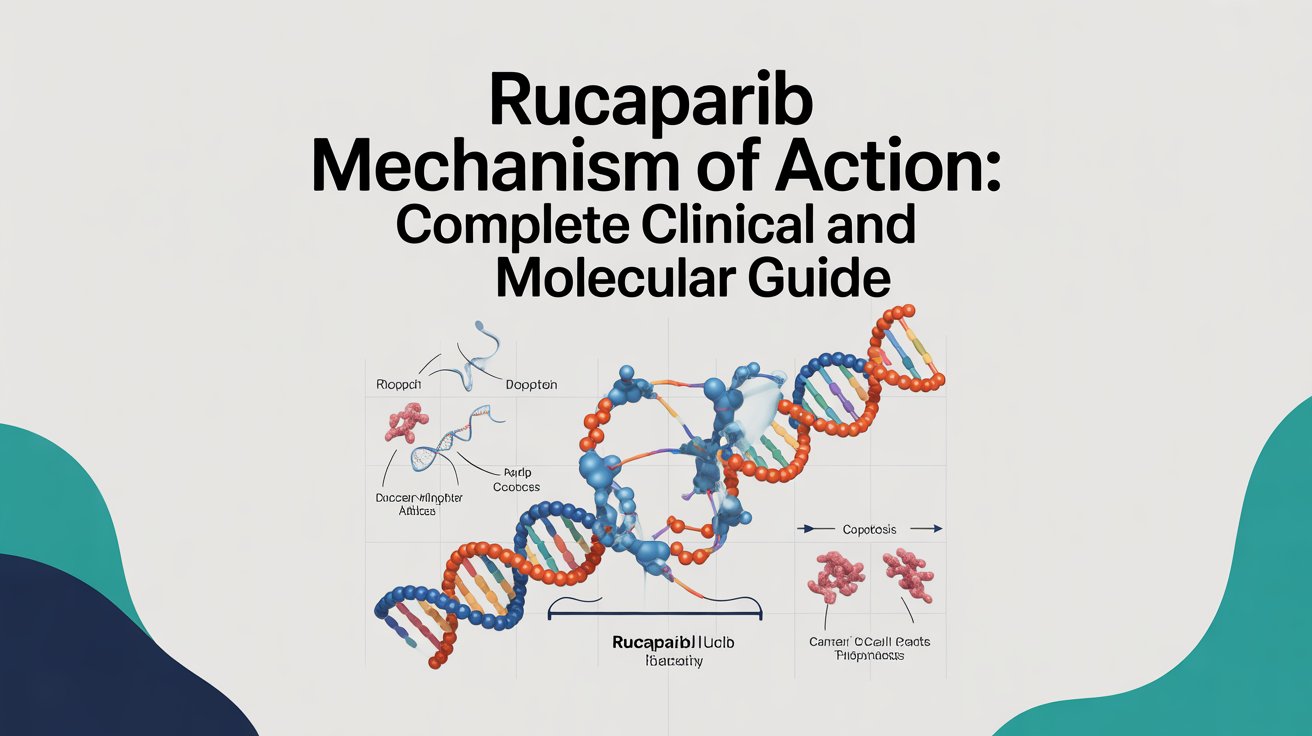
Rucaparib Mechanism of Action: Complete Clinical and Molecular Guide

Introduction Targeted cancer therapy has transformed modern oncology by shifting treatment strategies from non-specific cytotoxic chemotherapy to precision-driven molecular inhibition. One of the most significant advancements in this space is the development of PARP inhibitors, including rucaparib. Understanding the rucaparib mechanism of action is essential for healthcare professionals, pharmacists, oncology researchers, and students who want …
Read more

Fibrinogen Human-chmt: A Comprehensive Guide to Mechanism of Action, FDA Approval, Clinical Uses, and Safety

Introduction Effective control of bleeding is a cornerstone of modern medical care, particularly in patients with inherited or acquired coagulation disorders. Among all coagulation factors, fibrinogen plays a foundational role because it is essential for the final formation of a stable blood clot. Fibrinogen human-chmt (fesilty) is a plasma-derived fibrinogen concentrate developed to address this …

Read more

The Definitive Guide to Denosumab-mobz: MOA, FDA Approval, Side Effects, and Drug Interactions

Introduction: The landscape of therapeutic options for managing bone-related complications in cancer and other skeletal disorders has been significantly advanced by the introduction of biologic agents. Among these, denosumab, a human monoclonal antibody, has established itself as a cornerstone treatment. The emergence of biosimilars, which are highly similar to an already approved biological medicine (the …

Read more

Ranibizumab-leyk: A Comprehensive 2026 Guide to Its Mechanism, Uses, Safety, and FDA Approval

Introduction Vision is one of the most vital human senses, yet millions of people worldwide face progressive vision loss due to retinal diseases. Conditions such as age-related macular degeneration, diabetic macular edema, and retinal vein occlusion are major contributors to irreversible blindness if left untreated. Over the last two decades, the development of anti-VEGF therapies …

Read more

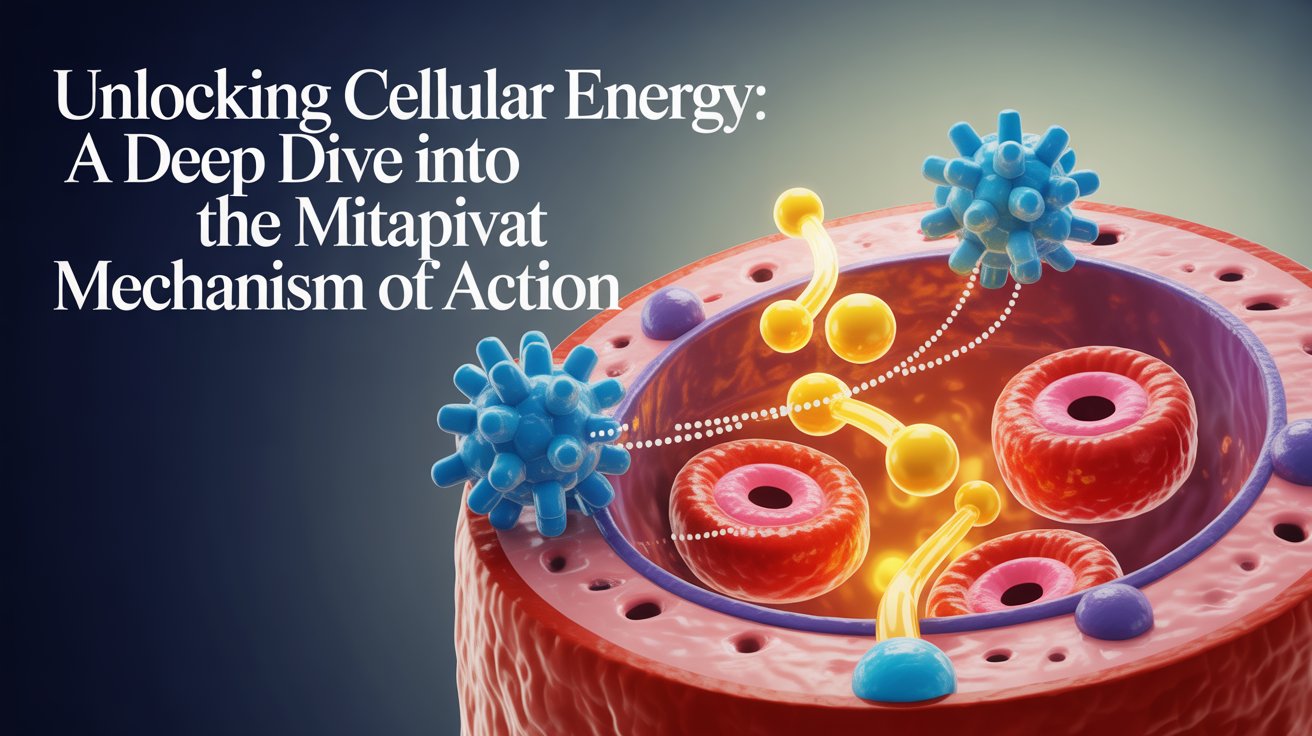
Unlocking Cellular Energy: A Deep Dive into the Mitapivat Mechanism of Action

Targeted therapies have reshaped the treatment of hematological diseases. Mitapivat’s mechanism represents a paradigm shift in managing chronic hemolytic anemias, particularly Pyruvate Kinase Deficiency (PKD). Mitapivat (Pyrukynd) is a first-in-class, oral, small-molecule allosteric activator of the pyruvate kinase (PK) enzyme. Its U.S. Food and Drug Administration (FDA) approval was a significant milestone, offering a disease-modifying …

Read more

A New Dawn for Transplant Patients: The Landmark Yartemlea FDA Approval

Introduction: A Historic Milestone in Transplant Medicine Hematopoietic stem cell transplantation (HSCT) is often a last, life‑saving option for patients with severe hematologic diseases. Yet even after a successful transplant, patients remain vulnerable to rare but devastating complications. Among the most feared is transplant‑associated thrombotic microangiopathy (TA‑TMA)—a condition historically linked with extremely high mortality and …

Read more

The Nereus FDA Approval: A New Horizon for Motion Sickness Treatment

Introduction Motion sickness, a common yet debilitating condition, has long plagued travelers of all kinds. From bumpy car rides to turbulent flights and rocky boat trips, the disorienting symptoms of nausea, dizziness, and vomiting can transform an anticipated journey into an ordeal. For years, the available treatments have been limited, often offering incomplete relief or …

Read more

Waskyra (etuvetidigene autotemcel): FDA-Approved Cell-Based Gene Therapy for Wiskott-Aldrich Syndrome

The approval of Waskyra (etuvetidigene autotemcel) by the U.S. Food and Drug Administration represents a defining moment in the treatment of rare genetic immunodeficiency disorders. As the first FDA-approved cell-based gene therapy for Wiskott-Aldrich syndrome (WAS), this therapy introduces a new era of personalized, gene-corrective medicine for patients who previously had limited therapeutic options. Wiskott-Aldrich …

Read more

Why Understanding the Etripamil Mechanism of Action Is Important ?

Introduction: Paroxysmal supraventricular tachycardia (PSVT) is one of the most common forms of cardiac arrhythmia encountered in clinical practice. It is characterized by sudden episodes of abnormally fast heart rate that begin and end abruptly. These episodes can cause palpitations, dizziness, chest discomfort, shortness of breath, and anxiety, often sending patients to emergency departments repeatedly. …

Read more

Exdensur FDA Approval: Complete 2026 Guide on MOA, Side Effects, Drug Interactions, Safety, and Clinical Importance

The Exdensur FDA approval represents a major advancement in the management of severe asthma, especially for patients suffering from the eosinophilic subtype of the disease. Severe asthma remains a challenging condition worldwide, often resistant to standard inhaled therapies. With the Exdensur FDA approval, patients and clinicians now have access to a highly innovative, ultra-long-acting biologic …

Read more