
Table of Contents
Introduction
The recent approval of Nuzolvence represents a significant advancement in treating antibiotic-resistant gonorrhea. As with any medication, understanding what are the side effects Nuzolvence can cause is essential for patients and healthcare providers. Many people ask “what are the side effects of Nuzolvence?” before starting treatment, and this guide provides comprehensive answers. This comprehensive guide explores everything you need to know about what are the side effects of Nuzolvence , safety considerations, and important precautions.
Nuzolvence, known by its generic name zoliflodacin, received approval from the U.S. Food and Drug Administration in December 2025. This groundbreaking antibiotic offers hope for patients dealing with drug-resistant strains of Neisseria gonorrhoeae, the bacteria responsible for gonorrhea infections. As the first medication in a new class of antibiotics called spiropyrimidinetrione bacterial type II topoisomerase inhibitors, Nuzolvence works differently from traditional antibiotics.
Understanding Nuzolvence: What Is This Medication?
Before discussing what are the side effects of Nuzolvence causes, it’s important to understand what this medication is and how it works. Nuzolvence is an oral antibiotic specifically designed to treat uncomplicated urogenital gonorrhea in adults and children aged 12 years and older who weigh at least 77 pounds (35 kilograms).
- The medication comes as granules that dissolve in water, making it easy to administer as a single-dose oral treatment.
- This convenient dosing schedule represents a major improvement over previous treatments that required injections.
- The development of Nuzolvence addresses a critical medical need, as gonorrhea bacteria have developed resistance to many existing antibiotics over the years.
- Nuzolvence belongs to a novel class of antibiotics that work by inhibiting bacterial type II topoisomerase enzymes.
- These enzymes are essential for bacterial DNA replication and survival.
- By blocking these enzymes, Nuzolvence effectively stops the gonorrhea bacteria from multiplying and allows the body’s immune system to clear the infection.
- In clinical trials, Nuzolvence demonstrated a cure rate of approximately 91 percent when measured four to eight days after treatment.
- This effectiveness was comparable to standard treatment protocols, making it a viable alternative for patients who need options beyond injectable medications.
Lets see”what are the side effects of Nuzolvence?”
What are the side effects of Nuzolvence ?
Common Side Effects of Nuzolvence
When discussing what are the side effects of Nuzolvence most commonly causes, it’s important to recognize that many patients tolerate the medication well. However, like all medications, some side effects do occur in a percentage of users. Understanding these common reactions helps patients know what to expect and when to contact their healthcare provider.
1.Low White Blood Cell Counts
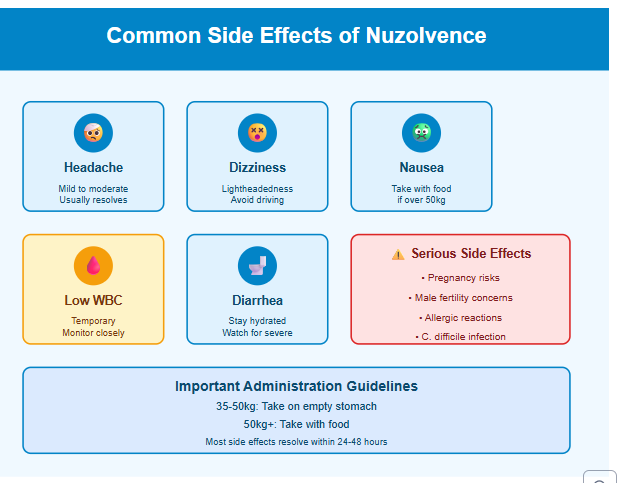
For knowing what are the side effects of Nuzolvence One of the most frequently reported side effects in clinical trials involved changes to blood cell counts. Some patients experienced reductions in white blood cells, which are crucial components of the immune system. While this side effect was observed in studies, most cases were mild and did not require intervention. However, healthcare providers may recommend blood tests if symptoms of infection develop after taking Nuzolvence.
2.Headaches
Headaches represent another common side effect reported by patients taking Nuzolvence. These headaches typically range from mild to moderate in intensity and usually resolve on their own within a short period. The headaches associated with Nuzolvence generally do not require specific treatment beyond standard over-the-counter pain relievers, though patients should consult their healthcare provider before taking additional medications.
3.Dizziness
Dizziness emerged as a notable side effect in clinical trials evaluating Nuzolvence. Patients reported feelings of lightheadedness or unsteadiness, particularly when standing up quickly or moving suddenly. This side effect typically manifests within hours of taking the medication and generally resolves within a day or two.
4.Nausea
Gastrointestinal symptoms, particularly nausea, occurred in some patients during clinical trials. Nausea can range from mild queasiness to more pronounced feelings of stomach upset. The medication’s instructions specify different administration methods based on patient weight, partly to help minimize gastrointestinal side effects.Patients weighing 50 kilograms or more should take Nuzolvence with food, which can help reduce nausea.
5.Diarrhea
Diarrhea represents another gastrointestinal side effect that some patients experience after taking Nuzolvence. In most cases, this diarrhea is mild and temporary, resolving within a few days without specific treatment. Patients should maintain good hydration by drinking plenty of fluids if diarrhea occurs.
However, it’s crucial to distinguish between common, mild diarrhea and a more serious condition called Clostridioides difficile infection, which requires immediate medical attention. Warning signs of serious infection include severe or persistent diarrhea, abdominal pain, fever, or blood in the stool.
Serious Side Effects and Warnings
While discussing what are the side effects of Nuzolvence causes, it’s essential to highlight the more serious potential complications. Although these side effects are less common, they require immediate medical attention and careful monitoring.
1.Reproductive Health Concerns
One of the most significant concerns regarding Nuzolvence involves its potential effects on reproductive health. It is one of side effect from what are the side effects of Nuzolvence Animal studies revealed several important findings that have led to specific warnings and precautions for human use.
2.Pregnancy Risks and Fetal Harm
Animal studies demonstrated that Nuzolvence may cause serious harm to developing fetuses when administered during pregnancy. In studies with pregnant mice and rats, exposure to the medication at levels similar to human therapeutic doses resulted in birth defects, including a severe condition called exencephaly (a neural tube defect where the brain forms outside the skull). These studies also showed increased rates of pregnancy loss.
3.Male Fertility Concerns
Animal studies also revealed concerning effects on male reproductive health. Rats and dogs given Nuzolvence experienced testicular changes and decreased sperm production. These effects occurred at doses producing drug exposure levels similar to those in humans receiving therapeutic doses.
While human studies on sperm production haven’t been conducted, these animal findings suggest caution is warranted. Healthcare providers advise males taking Nuzolvence that the medication may affect testicular function and could impact fertility.
4.Allergic Reactions and Hypersensitivity
Allergic reactions to Nuzolvence have been reported and can range from mild skin reactions to potentially serious hypersensitivity responses. The most commonly reported allergic symptoms include skin rash and itching (pruritus).
Before starting Nuzolvence therapy, healthcare providers should carefully inquire about any previous allergic reactions to the medication or similar compounds. Patients with known hypersensitivity to Nuzolvence should not take this medication.
5.Clostridioides Difficile Infection
One of the more serious potential complications of any antibiotic therapy, including Nuzolvence, is Clostridioides difficile infection, commonly known as C. diff. This severe intestinal infection can occur when antibiotics disrupt the normal balance of bacteria in the gut, allowing C. difficile bacteria to multiply and produce toxins.
C. difficile infection can range from mild diarrhea to life-threatening inflammation of the colon. The infection can develop during antibiotic treatment or up to two months after completing the antibiotic course.
6.Other Blood-Related Side Effects
Beyond the common finding of low white blood cell counts, some patients experienced other blood-related changes during clinical trials. These included decreased platelet counts (thrombocytopenia), reduced monocyte counts, and decreased hemoglobin levels.
Most of these changes were mild and did not cause symptoms.
Less Common Side Effects
When exploring what are the side effects of Nuzolvence produces, several less common but documented reactions deserve mention. These effects occurred less frequently in clinical trials but are important for patients to recognize.
1.Gastrointestinal Effects
Beyond nausea and diarrhea, some patients experienced additional digestive system effectsi included in what are the side effects of Nuzolvence ?. These included vomiting, abdominal pain, constipation, abdominal distension (bloating), and flatulence (gas). Most of these symptoms were mild and resolved without specific treatment.
Patients experiencing severe abdominal pain, persistent vomiting, or other concerning gastrointestinal symptoms should contact their healthcare provider. While most digestive side effects are temporary and manageable, severe symptoms could indicate complications requiring medical evaluation.
2.General Physical Effects
Several non-specific physical symptoms occurred in some patients taking Nuzolvence. These included feelings of weakness (asthenia), general fatigue, malaise (overall feeling of being unwell), fever (pyrexia), chills, feeling hot, and night sweats.
These symptoms typically resolved within a few days of taking the medication. However, if fever persists or becomes high, or if patients feel increasingly unwell rather than improving, medical evaluation is appropriate to rule out complications or secondary infections.
3.Liver Function Changes
Some patients in clinical trials showed temporary increases in liver enzymes, specifically alanine aminotransferase (ALT) and bilirubin levels. These changes typically indicate temporary stress on the liver as it processes the medication. Most liver enzyme elevations were mild and resolved without intervention.
4.Infections
Paradoxically, some patients developed new infections during or shortly after treatment with Nuzolvence. These included fungal infections such as tinea (ringworm) infections and candidal infections (yeast infections). These secondary infections likely relate to changes in the body’s normal bacterial balance caused by antibiotic therapy.
Most secondary infections are treatable with appropriate antifungal medications.
Drug Interactions and Contraindications
Understanding what are the side effects of Nuzolvence produces also requires knowledge of drug interactions that could increase side effect risks or reduce the medication’s effectiveness.
1.CYP3A4 Inducer Interactions
Nuzolvence is contraindicated for use with moderate or strong CYP3A4 inducer medications. CYP3A4 is a liver enzyme responsible for metabolizing many medications. Drugs that increase (induce) this enzyme’s activity can cause Nuzolvence to be broken down more quickly, reducing its concentration in the blood to levels that may not effectively treat the infection.
Medications that induce CYP3A4 include rifampin (an antibiotic used for tuberculosis), St. John’s Wort (an herbal supplement), carbamazepine (a seizure medication), phenytoin (another seizure medication), and dexamethasone (a corticosteroid).
2.Other Medication Considerations
Beyond CYP3A4 inducers, patients should discuss all their medications with healthcare providers. While specific interactions may not be fully documented yet, as with any new medication, caution is warranted when combining Nuzolvence with other drugs metabolized by the liver or affecting similar body systems.
Patients taking medications for chronic conditions should not discontinue these without medical advice, even if starting Nuzolvence treatment. Healthcare providers can help determine the safest approach to managing multiple medications simultaneously.
Special Populations and Precautions
Different patient populations may experience different risks when considering what are the side effects of Nuzolvence might cause.
1.Pediatric Use
Nuzolvence is approved for children aged 12 years and older who weigh at least 35 kilograms (approximately 77 pounds). The safety and effectiveness in younger children or those weighing less have not been established through clinical studies.
Parents and caregivers should monitor children taking Nuzolvence closely for what are the side effects of Nuzolvence in children .
The dosing and administration instructions differ based on weight, which is particularly important for pediatric patients. Healthcare providers calculate the appropriate dose carefully based on the child’s weight to ensure both effectiveness and safety.
2.Geriatric Considerations
Clinical studies of Nuzolvence did not include sufficient numbers of patients aged 65 years and older to determine whether elderly patients respond differently to the medication compared to younger adults. As people age, their liver and kidney function may decline, potentially affecting how the body processes medications.
Elderly patients taking Nuzolvence should be monitored carefully for side effects.
3.Breastfeeding Considerations
It remains unknown whether Nuzolvence passes into breast milk. Animal studies haven’t fully clarified this issue, and human data are lacking. Because many medications do pass into breast milk and could potentially affect nursing infants, breastfeeding individuals should discuss feeding options with their healthcare provider.
4.Patients with Liver or Kidney Disease
While specific studies in patients with liver or kidney disease may be limited, these organs play crucial roles in processing and eliminating medications from the body. Patients with impaired liver or kidney function may need special monitoring or dose adjustments, though specific guidelines may still be developing for this new medication.
Administration Guidelines and Timing
Proper administration of Nuzolvence can help minimize what are the side effects of Nuzolvence while ensuring the medication works effectively. The administration guidelines are specific and weight-based.
Preparation Instructions
Nuzolvence comes as granules in single-dose packets. The entire contents of one packet should be poured into a container and mixed with water according to the package instructions. The mixture should not be combined with other beverages besides water, and the granules should not be sprinkled on food or swallowed dry.
After mixing, the suspension should be consumed within 15 minutes. This time limit ensures the medication remains properly dissolved and maintains its effectiveness. Patients should drink the entire mixture to receive the full dose.
Weight-Based Administration
The timing of Nuzolvence administration relative to meals depends on body weight which can reduce what are the side effects of Nuzolvence :
Patients weighing 35 to 50 kilograms (77 to 110 pounds): Should take Nuzolvence on an empty stomach, meaning one hour before eating or two hours after eating. Taking the medication on an empty stomach helps optimize absorption in this weight range.
Patients weighing 50 kilograms or more (110 pounds or more): Should take Nuzolvence with food. Taking the medication with food can help reduce gastrointestinal side effects like nausea while still allowing proper absorption.
Long-Term Effects and Recovery
Understanding what are the side effects of Nuzolvence causes over time helps patients know what to expect during recovery.
Expected Recovery Timeline
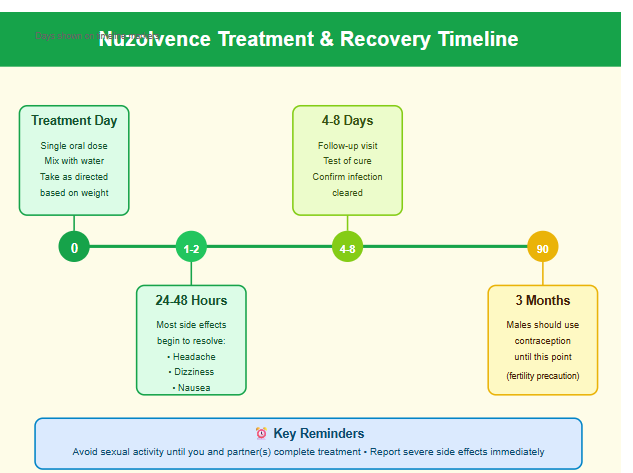
Most common what are the side effects of Nuzolvence like headache, dizziness, and nausea resolve within 24 to 48 hours after taking Nuzolvence. Gastrointestinal symptoms may persist slightly longer but typically improve within a few days. The gonorrhea infection itself should respond to treatment within several days, though follow-up testing confirms complete cure.
Patients should notice improvement in any infection-related symptoms (if present) within several days. If symptoms worsen or new symptoms develop, medical evaluation is appropriate to rule out complications or treatment failure.
Fertility Considerations
Based on animal studies showing effects on testicular tissue and sperm production, males should use contraception for at least three months after Nuzolvence treatment if their partners could become pregnant. This waiting period allows time for any effects on sperm to resolve.
Males concerned about fertility should discuss these concerns with their healthcare provider. While human studies on fertility effects are limited, the animal study findings warrant caution. Healthcare providers can provide guidance on fertility evaluation if concerns arise.
Pregnancy Planning After Treatment
Females who could become pregnant should wait until any potential pregnancy risk passes before attempting to conceive. Healthcare providers can provide specific guidance based on individual circumstances by knowing what are the side effects of Nuzolvence. Anyone who discovers they were pregnant when they took Nuzolvence or who becomes pregnant shortly after treatment should contact their healthcare provider and consider enrolling in the pregnancy registry to help improve understanding of thewhat are the side effects of Nuzolvence .
When to Seek Medical Attention
Knowing when side effects require medical attention helps patients respond appropriately to symptoms.
Emergency Situations
Seek immediate medical attention for:
- Signs of severe allergic reaction including difficulty breathing, throat swelling, or extensive rash
- Severe or bloody diarrhea, especially with fever or severe abdominal pain
- Signs of severe dehydration including minimal urination, extreme thirst, or confusion
- Chest pain or irregular heartbeat
- Severe dizziness or fainting
- Any symptom that seems severe or life-threatening
Non-Emergency Medical Consultation
Contact your healthcare provider during regular office hours for:
- Persistent or worsening symptoms after several days
- New symptoms developing days or weeks after treatment
- Mild to moderate side effects that don’t improve or that interfere with daily activities
- Questions or concerns about side effects
- Any symptom that seems unusual or concerning
Reporting Side Effects
Patients experiencing what are the side effects of Nuzolvence should report them to their healthcare provider. Additionally, side effects can be reported directly to the FDA at 1-800-FDA-1088. Because Nuzolvence is a newly approved medication, reporting side effects helps build knowledge about the medication’s safety profile in real-world use.
The manufacturer also maintains a reporting line at 1-800-651-3861 for patients or healthcare providers to report adverse reactions. These reports contribute to ongoing safety monitoring and help protect future patients.
Comparing Nuzolvence to Other Gonorrhea Treatments
Understanding what are the side effects of Nuzolvence produces compared to alternative treatments helps patients and providers make informed decisions.
Traditional Injectable Treatment
The previous standard treatment for gonorrhea involved an injection of ceftriaxone combined with oral azithromycin. This regimen effectively treats most gonorrhea infections but requires a healthcare visit for the injection, which some patients find inconvenient or uncomfortable.
Side effects of the traditional treatment include injection site pain, allergic reactions to the antibiotics, and gastrointestinal symptoms from azithromycin. The comparative trial showed similar cure rates between Nuzolvence and traditional treatment, with different but generally comparable what are the side effects of Nuzolvence and other .
Blujepa (Gepotidacin)
Blujepa represents another newly approved oral treatment for gonorrhea. Like Nuzolvence, it offers an oral alternative to injectable treatment. However, each medication has distinct characteristics, side effects, and patient populations for which it’s appropriate.
Blujepa comes with additional warnings including potential effects on heart rhythm (QTc prolongation) and interactions with brain chemicals (acetylcholinesterase inhibition). Patients and providers should discuss which option best suits individual needs and medical history.
Prevention of Side Effects
While not all side effects can be prevented given under title what are the side effects of Nuzolvence , following certain practices may help minimize risks.
Proper Administration
Following administration instructions precisely helps optimize the medication’s effectiveness while potentially reducing side effects. This includes mixing the medication correctly with water only, taking it within 15 minutes of preparation, following weight-based food instructions, and taking the complete dose as prescribed.
Hydration
Maintaining good hydration before and after taking Nuzolvence may help minimize certain side effects and support overall recovery. Drinking plenty of water helps the body process and eliminate the medication while supporting general health during treatment.
Medication Disclosure
Providing complete information about all medications, supplements, and health conditions helps healthcare providers identify potential interaction risks before they become problems. This includes prescription and over-the-counter medications, herbal supplements and vitamins, recreational substances, and any history of drug reactions or allergies.
Contraception Compliance
For patients who need to use contraception after treatment, consistent and correct use of effective contraceptive methods during the recommended three-month period helps prevent unintended pregnancies that could be affected by recent Nuzolvence exposure.
Living with Gonorrhea Treatment
Beyond understanding what are the side effects Nuzolvence causes, patients benefit from a holistic approach to treatment and recovery.
Emotional and Psychological Aspects
Receiving a sexually transmitted infection diagnosis can cause emotional distress, embarrassment, or anxiety. These feelings are normal, and many resources exist to provide support. Healthcare providers can offer counseling referrals, and many communities have sexual health clinics providing comprehensive care including emotional support.
Prevention of Future Infections
After completing treatment, taking steps to prevent future infections protects long-term health. Prevention strategies include consistent and correct condom use, limiting number of sexual partners, regular STI screening if sexually active with new or multiple partners, open communication with sexual partners about STI status, and prompt treatment if exposure occurs or symptoms develop.
Healthcare providers can provide detailed guidance on prevention strategies appropriate for individual circumstances and relationship situations.
Sexual Health Education
Understanding sexually transmitted infections including their transmission, symptoms, treatment, and prevention helps people make informed decisions about sexual health. Many resources provide reliable information, including health department websites, sexual health clinics, healthcare providers, and evidence-based educational materials.
Research and Future Developments
As a newly approved medication, Nuzolvence continues to be studied to better understand its effects and optimal uses.
Ongoing Studies
Post-approval studies continue to monitor Nuzolvence’s safety and effectiveness in larger, more diverse patient populations. The pregnancy safety registry tracks outcomes when exposure occurs during pregnancy, helping clarify risks. Additional research examines long-term effects, rare side effects that may not have appeared in initial clinical trials, effectiveness against different bacterial strains, and optimal use in various patient populations.
These ongoing studies help refine understanding of what are the side effects Nuzolvence causes and how to use the medication most safely and effectively.
Conclusion
Understanding what are the side effects of Nuzolvence produces empowers patients to make informed decisions about their treatment and to recognize when side effects require medical attention. Nuzolvence represents an important advancement in treating antibiotic-resistant gonorrhea, offering an effective oral alternative to injectable treatments.
Most patients tolerate Nuzolvence well, with common side effects being mild and temporary. The most frequently reported side effects include low white blood cell counts, headache, dizziness, nausea, and diarrhea. These typically resolve within days without specific intervention.
More serious but less common side effects require careful attention, particularly reproductive health effects. Animal studies suggest risks to pregnancy and male fertility, leading to specific precautions and contraception recommendations. Patients should discuss these concerns with healthcare providers, especially when family planning is relevant.
Allergic reactions and C. difficile infection, while uncommon, represent serious complications requiring immediate medical attention. Understanding warning signs helps patients respond appropriately if these complications occur.