

Table of Contents
Elahere (mirvetuximab soravatansine-ginx) is a pioneering antibody-drug conjugate (ADC) approved for platinum-resistant ovarian cancer, particularly in patients whose tumors express FRα (folate receptor-alpha). While this breakthrough therapy offers new hope, it also addresses some important safety concerns.
This detailed guide explains the Elahere side effects , their frequency, severity, why they occur, how to monitor for them, and practical safety tips for patients and healthcare providers.
If you are:
✔ Pharmacy or healthcare student
✔ Oncology professional
✔ Cancer patient or caregiver looking for clear medical information
✔ Competitive exam aspirant (GPAT, D Pharm, B Pharm, NExT)
👉 This article will help you understand exactly what to expect from Elahere —in simple, science-backed language.
What is Elahere ?
Elahere is:
• A targeted immunotherapy
• An antibody-drug conjugate (ADC)
• Designed for FRα-positive ovarian cancer
• Used in platinum-resistant cases with previous treatment
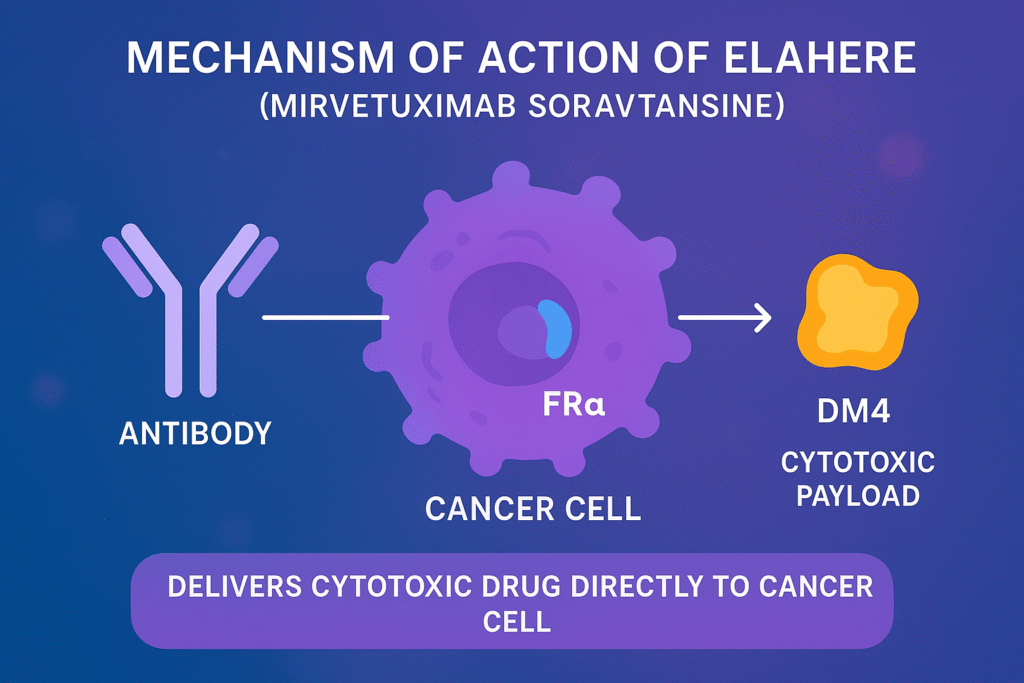
It selectively delivers a cytotoxic payload to cancer cells, reducing damage to healthy tissue compared to traditional chemotherapy.
Brand name: Elahere
Generic name: Mirvetuximab soravtansine-gynx
FDA approval: November 2022 (accelerated), update 2024
Manufacturer: ImmunoGen (now acquired by AbbVie)
Why It’s Important to Understand Elahere Side Effects
Cancer patients taking Elahere often have:
• Weakened immunity
• Pre-existing toxicities from chemotherapy
• Organ stress
Therefore, early detection of side effects ensures:
✔ Safe continuation of therapy
✔ Reduced risk of hospitalization
✔ Improved response to treatment
✔ Improved quality of life
Major Elahere Elahere side effects (Most to Least Common)
(Your healthcare provider should monitor these throughout treatment)
Eye-Related Side Effects — MOST COMMON & MOST IMPORTANT
The dose-limiting toxicity of Elahere is ocular toxicity.
Why does Elahere affect eyes?
The cytotoxic payload DM4 can accumulate in the corneal epithelium → damaging ocular surface.
Common Eye Effects (30–70% cases)
| Eye Side Effect | Symptoms | Risk Level |
| Blurred vision | Difficulty in reading/driving | High |
| Keratitis | Eye redness, burning | High |
| Dry eye | Gritty feeling | High |
| Photophobia | Light sensitivity | Medium |
| Diplopia | Seeing double | Medium |
| Conjunctivitis | Itchy/swollen eyes | Low |
Management of Eye Symptoms
✔ Mandatory eye exams before treatment and every cycle
✔ Steroid eye drops to prevent keratopathy
✔ Artificial tears — ≥4 times/day
✔ Avoid contact lenses
✔ Dose modification if severe toxicity
🔔 Patients must report any new vision change immediately.
Gastrointestinal Side Effects
GI effects occur in more than 50% of patients.
| Side Effect | Symptoms | Notes |
| Nausea & vomiting | After infusion, worsens with smell/food | Antiemetics required |
| Abdominal pain | Cramping or pressure | Rule out bowel involvement |
| Constipation or diarrhea | Bowel changes | Hydration important |
| Loss of appetite | Weight loss risk | Monitor nutrition |
Fatigue & Weakness
- Reported by ~50% of patients
- Result of treatment load, anemia, and cancer-related fatigue
Tips to Manage:
- Light exercise such as walking
- Energy-rich foods
- Scheduled rest patterns
- Monitor hemoglobin levels
Peripheral Neuropathy (Nerve Damage)
- ~30–40% of patients experience numbness, tingling, or burning in hands and feet
- Caused by microtubule inhibition (DM4 payload)
Management:
- Dose adjustments
- Neuropathy-friendly shoes/foot care
- B-vitamins if appropriate
Liver Function Abnormalities
- Elevated AST/ALT
- Rare but risk of hepatotoxicity
✔ Liver function tests before each cycle
❌ Avoid alcohol and unnecessary hepatotoxic drugs
Pulmonary Toxicity (Rare but Serious)
Cases of:
- Pneumonitis
- Interstitial lung disease (ILD)
⚠ Warning signs:
- New or worsening cough
- Shortness of breath
- Chest pain
- Fever
Elahere must be paused/stopped if pneumonitis is suspected.
Full Elahere side effects Table (Quick Reference Guide)
| Category | Side Effect | Frequency | Severity | What to Do |
| Eye | Keratopathy, blurred vision, dry eye | Very Common | Moderate–Severe | Eye drops, exams, dose hold |
| GI | Nausea, vomiting, pain | Very Common | Mild–Moderate | Antiemetics, hydration |
| Nervous System | Peripheral neuropathy | Common | Moderate | Monitor, modify dose |
| General | Fatigue | Very Common | Mild–Moderate | Rest, nutrition |
| Liver | Increased AST/ALT | Common | Moderate | LFT monitoring |
| Pulmonary | ILD, pneumonitis | Rare | Severe–Fatal | Stop therapy, steroids |
| Hematologic | Anemia | Common | Moderate | Check CBC |
| Skin/Other | Rash, infusion reaction | Common | Mild–Moderate | Antihistamines |
Infusion-Related Reactions
May appear within first 24 hours:
- Fever, chills
- Flushing
- Breathing difficulty
- Low blood pressure
Premedications such as antihistamines & steroids reduce the risk.
Why Does Elahere Cause Side Effects?
Elahere has three components, each contributing to toxicity:
| Component | Role | Side Effect Correlation |
| Antibody (targets FRα) | Selective delivery | Some off-target cell effects |
| Linker | Releases drug inside cell | If unstable → systemic toxicity |
| DM4 Payload | Microtubule inhibitor | Eye toxicity, neuropathy |
Even targeted therapies affect normal cells expressing low-level FRα, especially in:
- Eyes
- GI tract
- Nerves
Risk Factors: Who Is More Likely to Have Elahere side effects?
Higher risk in patients with:
- Poor baseline eye health
- Previous taxane-induced neuropathy
- Pre-existing lung disease
- Liver impairment
- Multiple prior chemotherapies
- Older age and frailty
Monitoring & Follow-Up Recommendations
| Monitoring Parameter | Frequency |
| Eye examinations | Before therapy & every cycle |
| CBC (blood count) | Before each cycle |
| Liver function tests | Every cycle |
| Lung assessment | If cough or dyspnea develops |
Elahere Patient Safety Tips
✔ Use artificial tears frequently
✔ Wear sunglasses outdoors
✔ Report neuropathic pain early
✔ Hydrate well to prevent constipation
✔ Avoid driving if vision is blurred
✔ Maintain balanced diet & light exercise
Drug Interactions with Elahere
Elahere is metabolized in the liver; therefore:
Avoid or monitor with:
| Drug Class | Examples |
| Strong CYP3A4 inhibitors | Ketoconazole, clarithromycin |
| CYP3A4 inducers | Rifampin, carbamazepine |
| Hepatotoxic drugs | Acetaminophen overdosing, alcohol |
Always inform the doctor of all medicines & supplements.
Special Considerations
Pregnancy & Breastfeeding
❌ Not recommended
DM4 is teratogenic and may harm the fetus
Fertility
Discuss fertility preservation options before treatment.
Benefits vs. Risks
| Benefits | Risks |
| Effective in FRα-high ovarian cancer | Eye toxicity risk |
| Better tolerability than traditional chemo | Neuropathy |
| Improved response rates | Liver & lung issues |
Elahere is generally worth the risk when monitored well.
How Healthcare Professionals Should Counsel Patients
✔ Explain necessity of regular eye exams
✔ Educate on early signs of neuropathy
✔ Review other medications every cycle
✔ Encourage timely reporting of symptoms
✔ Assess quality of life throughout treatment
Conclusion
Elahere is a major advance in the treatment of platinum-resistant ovarian cancer, offering a powerful and targeted approach. However, the therapy requires careful monitoring due to potential ocular toxicity, neuropathy, liver changes, and pulmonary risks.
Understanding the Elahere side effects helps to:
• Patients stay safe
• Pharmacists provide better advice
• Healthcare providers take timely action
If you or someone you care for is taking Elahere :
➡ Follow eye care precautions
➡ Report symptoms early
➡ Attend every follow-up appointment
Stay informed. Stay protected.
Explore more oncology medication safety guides on our pharmacy education platform to stay ahead of your education.